Updated every day
Mars photos
The newest real pictures from Mars, straight from NASA’s Perseverance and Curiosity rovers. These are Raw imageA raw image is a picture as a rover sent it to Earth, compressed and not yet calibrated, posted by NASA soon after it arrives and long before the calibrated, archived version.More in the glossary: unprocessed, as NASA posts them soon after they reach Earth. Today’s set has 29 pictures; the newest was taken on Oct 8, 2026.
Updated Sources (10)
Latest raw images
Newest first. Choose a picture to see it larger, with its camera, the time it was taken and the credit to use.
Showing 29 pictures
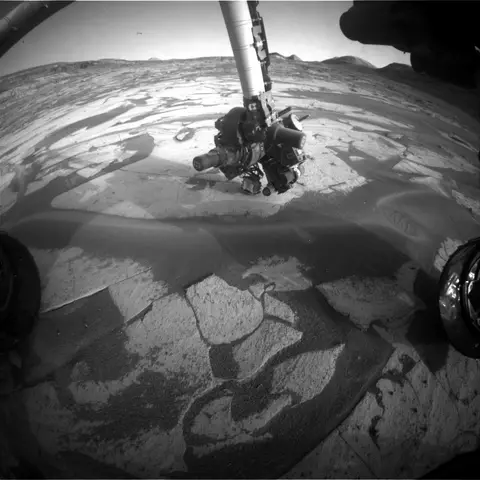 Curiosity · Sol 5,038Front Hazard Avoidance Camera (Hazcam)FHAZ_RIGHT_BOct 8, 2026, 19:59 UTCNASA/JPL-Caltech
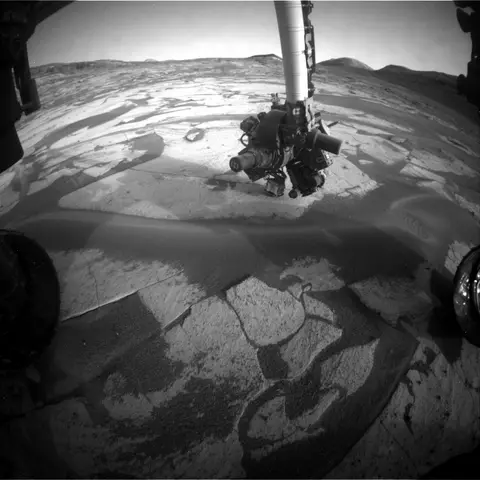 Curiosity · Sol 5,038Front Hazard Avoidance Camera (Hazcam)FHAZ_LEFT_BOct 8, 2026, 19:59 UTCNASA/JPL-Caltech
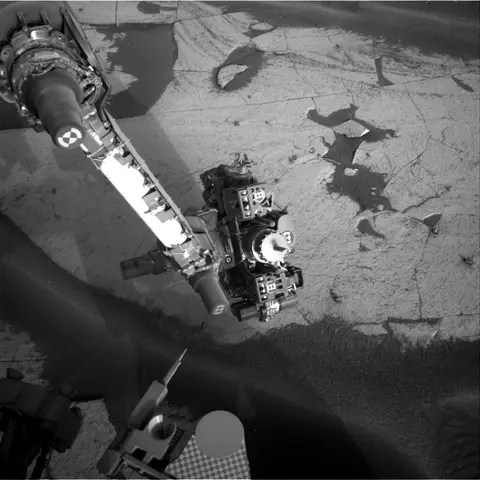 Curiosity · Sol 5,038Navigation Camera (Navcam)NAV_RIGHT_BOct 8, 2026, 19:57 UTCNASA/JPL-Caltech
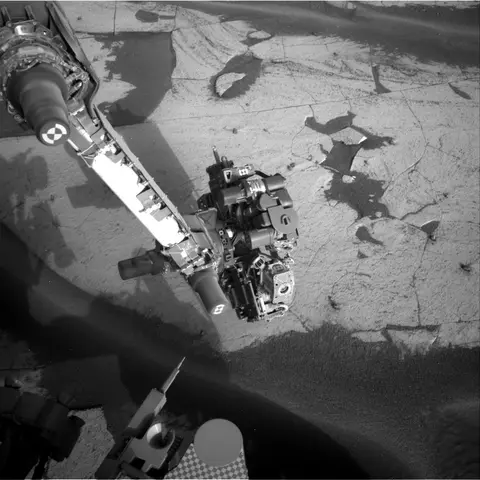 Curiosity · Sol 5,038Navigation Camera (Navcam)NAV_RIGHT_BOct 8, 2026, 19:30 UTCNASA/JPL-Caltech
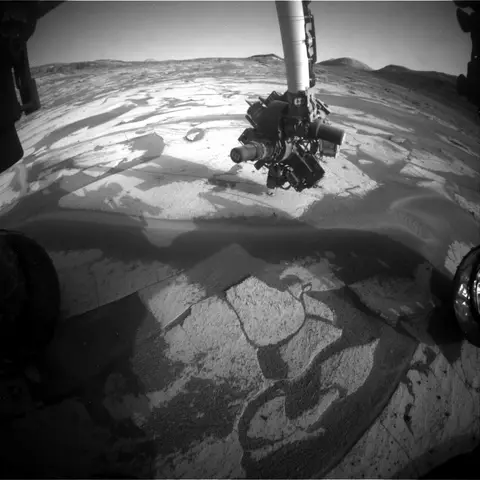 Curiosity · Sol 5,038Front Hazard Avoidance Camera (Hazcam)FHAZ_LEFT_BOct 8, 2026, 19:29 UTCNASA/JPL-Caltech
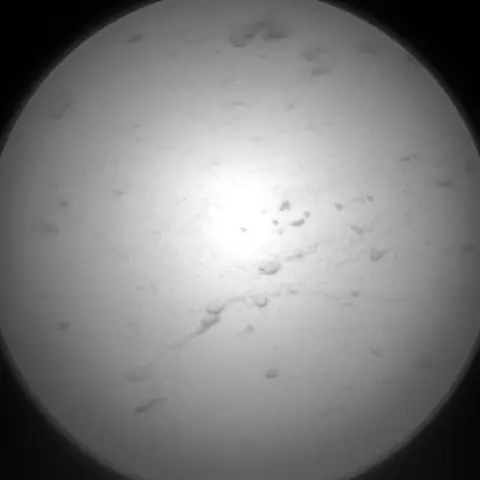 Curiosity · Sol 5,038Chemistry & Camera (ChemCam)CHEMCAM_RMIOct 8, 2026, 14:08 UTCNASA/JPL-Caltech/LANL/CNES/CNRS/IRAP/IAS/LPG
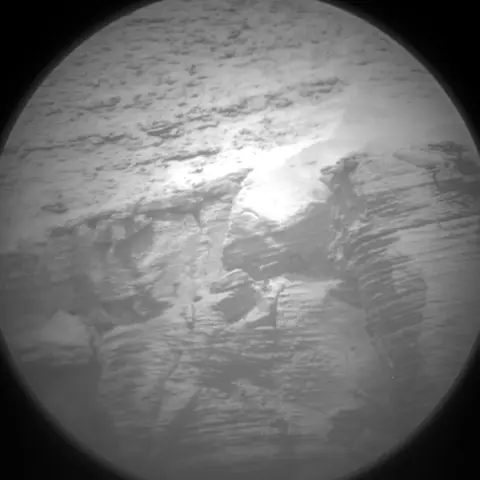 Curiosity · Sol 5,037Chemistry & Camera (ChemCam)CHEMCAM_RMIOct 7, 2026, 12:53 UTCNASA/JPL-Caltech/LANL/CNES/CNRS/IRAP/IAS/LPG
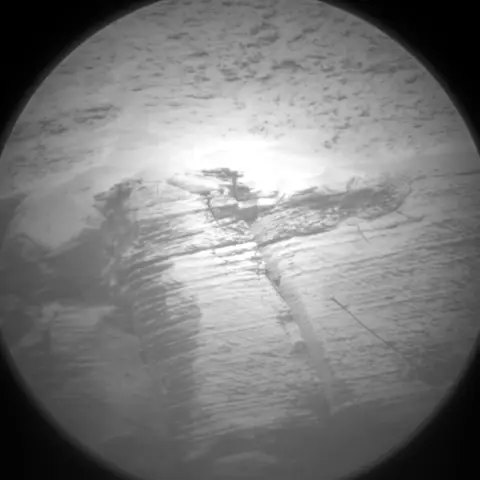 Curiosity · Sol 5,037Chemistry & Camera (ChemCam)CHEMCAM_RMIOct 7, 2026, 12:53 UTCNASA/JPL-Caltech/LANL/CNES/CNRS/IRAP/IAS/LPG
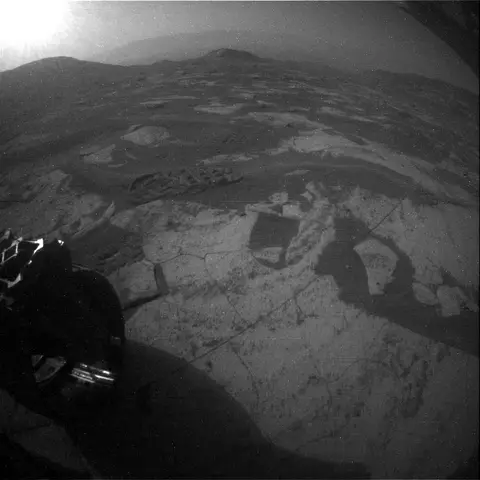 Curiosity · Sol 5,036Rear Hazard Avoidance Camera (Hazcam)RHAZ_RIGHT_BOct 6, 2026, 17:34 UTCNASA/JPL-Caltech
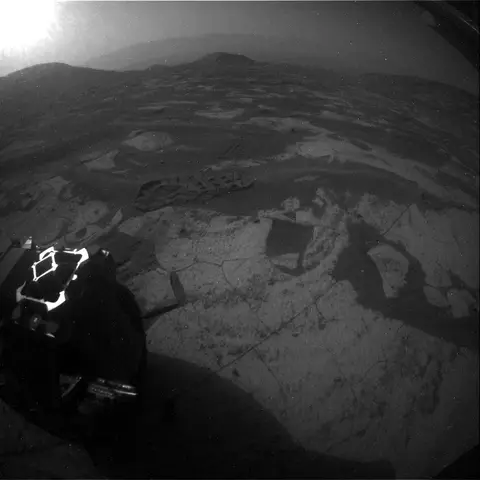 Curiosity · Sol 5,036Rear Hazard Avoidance Camera (Hazcam)RHAZ_LEFT_BOct 6, 2026, 17:34 UTCNASA/JPL-Caltech
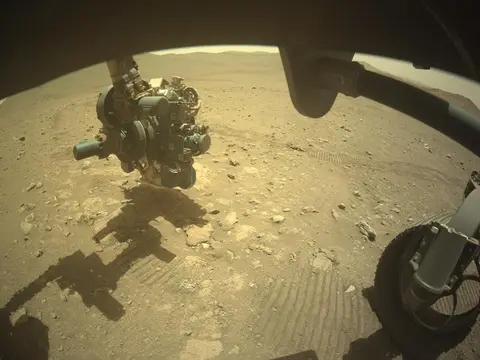 Perseverance · Sol 2,000Front Hazard Avoidance Camera (Hazcam)FRONT_HAZCAM_RIGHT_AOct 5, 2026, 17:06 UTCNASA/JPL-Caltech
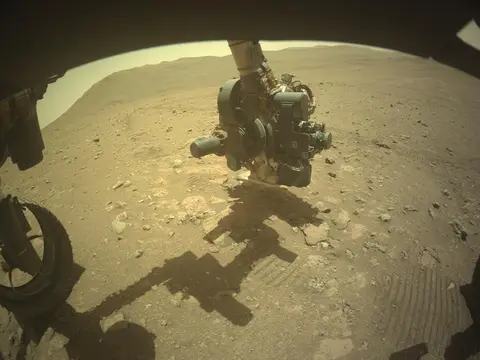 Perseverance · Sol 2,000Front Hazard Avoidance Camera (Hazcam)FRONT_HAZCAM_LEFT_AOct 5, 2026, 17:06 UTCNASA/JPL-Caltech
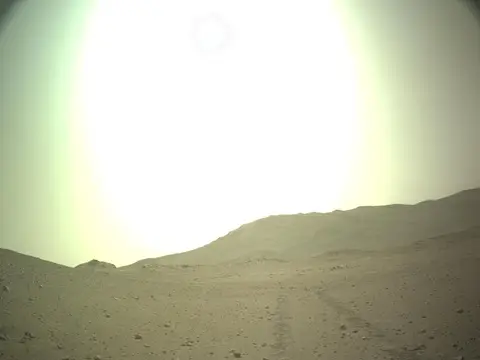 Perseverance · Sol 2,000Navigation Camera (Navcam)NAVCAM_LEFTOct 5, 2026, 14:21 UTCNASA/JPL-Caltech
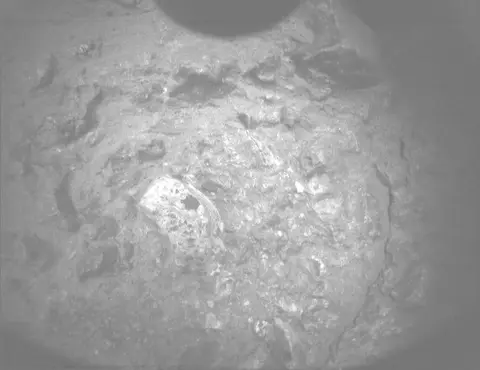 Perseverance · Sol 2,000PIXL Micro Context CameraPIXL_MCCOct 5, 2026, 06:20 UTCNASA/JPL-Caltech
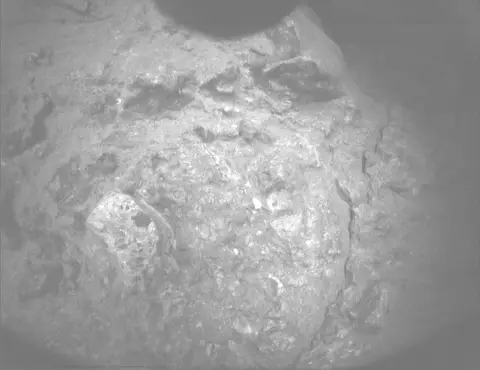 Perseverance · Sol 1,999PIXL Micro Context CameraPIXL_MCCOct 4, 2026, 23:26 UTCNASA/JPL-Caltech
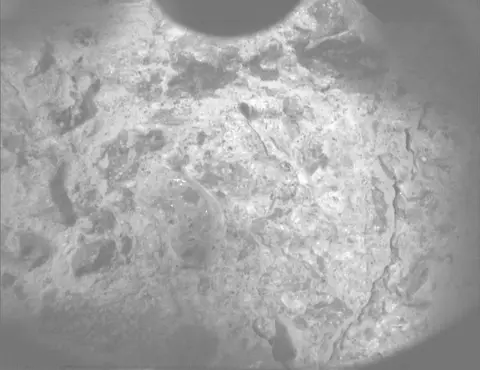 Perseverance · Sol 1,999PIXL Micro Context CameraPIXL_MCCOct 4, 2026, 23:18 UTCNASA/JPL-Caltech
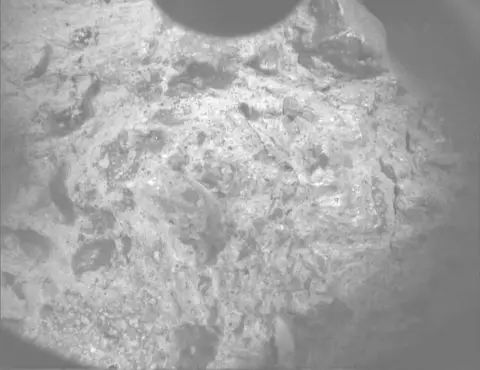 Perseverance · Sol 1,999PIXL Micro Context CameraPIXL_MCCOct 4, 2026, 23:17 UTCNASA/JPL-Caltech
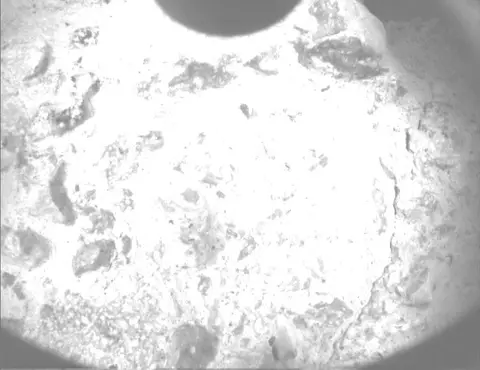 Perseverance · Sol 1,999PIXL Micro Context CameraPIXL_MCCOct 4, 2026, 23:16 UTCNASA/JPL-Caltech
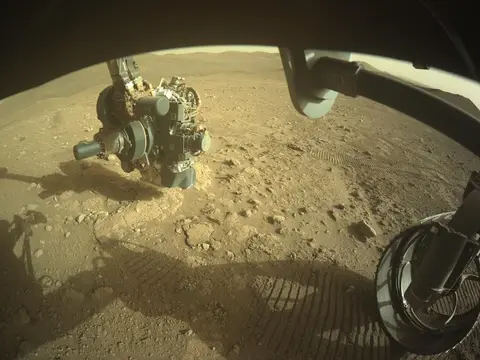 Perseverance · Sol 1,999Front Hazard Avoidance Camera (Hazcam)FRONT_HAZCAM_RIGHT_AOct 4, 2026, 20:53 UTCNASA/JPL-Caltech
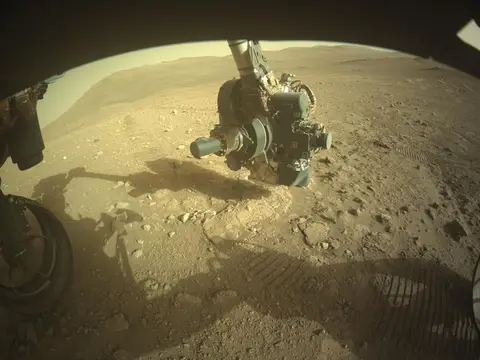 Perseverance · Sol 1,999Front Hazard Avoidance Camera (Hazcam)FRONT_HAZCAM_LEFT_AOct 4, 2026, 20:53 UTCNASA/JPL-Caltech
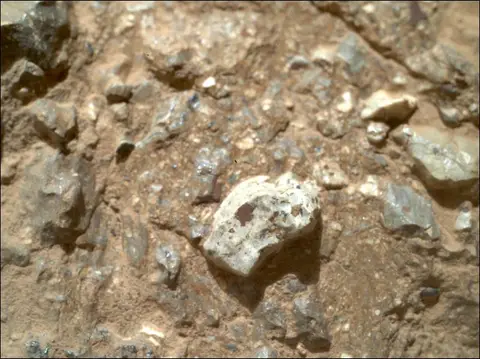 Perseverance · Sol 1,999SHERLOC WATSONSHERLOC_WATSONOct 4, 2026, 20:45 UTCNASA/JPL-Caltech
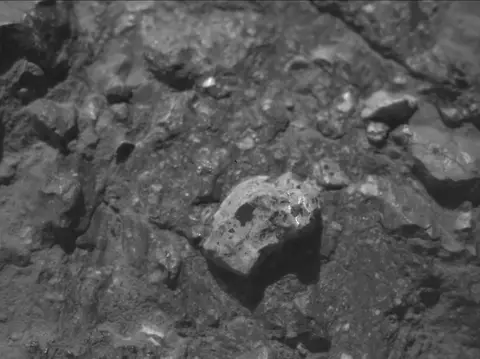 Perseverance · Sol 1,999SHERLOC WATSONSHERLOC_WATSONOct 4, 2026, 20:45 UTCNASA/JPL-Caltech
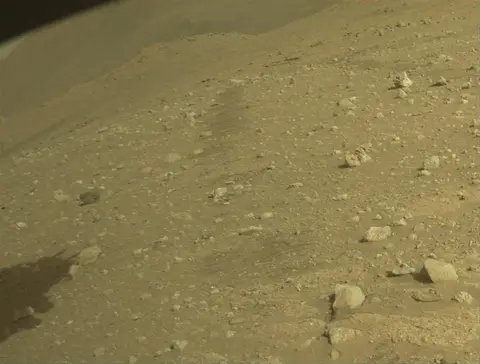 Perseverance · Sol 1,999Front Hazard Avoidance Camera (Hazcam)FRONT_HAZCAM_RIGHT_AOct 4, 2026, 20:27 UTCNASA/JPL-Caltech
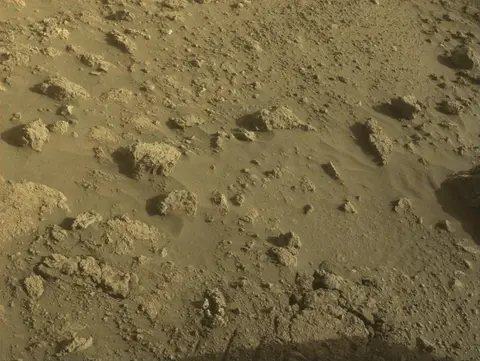 Perseverance · Sol 1,999Front Hazard Avoidance Camera (Hazcam)FRONT_HAZCAM_RIGHT_AOct 4, 2026, 20:27 UTCNASA/JPL-Caltech
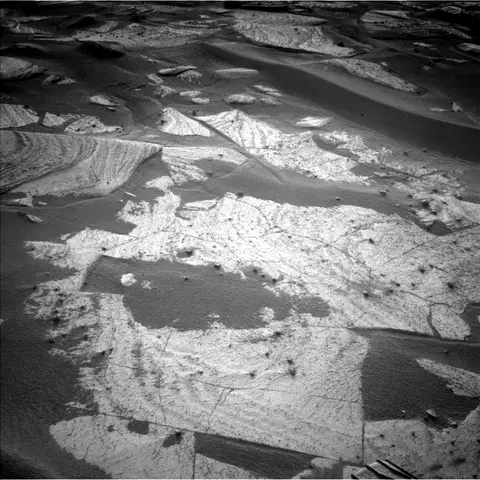 Curiosity · Sol 5,033Navigation Camera (Navcam)NAV_LEFT_BOct 3, 2026, 16:36 UTCNASA/JPL-Caltech
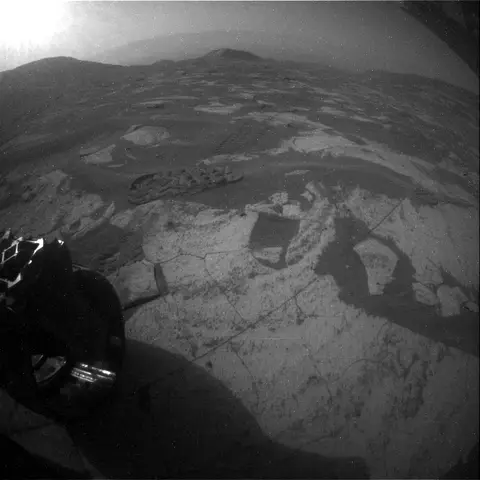 Curiosity · Sol 5,031Rear Hazard Avoidance Camera (Hazcam)RHAZ_RIGHT_BOct 1, 2026, 14:14 UTCNASA/JPL-Caltech
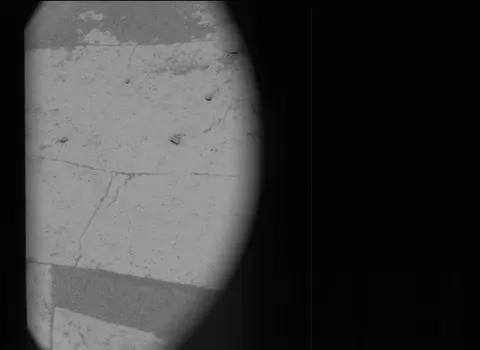 Curiosity · Sol 5,021Mast Camera (Mastcam)MAST_LEFTSep 21, 2026, 03:18 UTCNASA/JPL-Caltech/MSSS
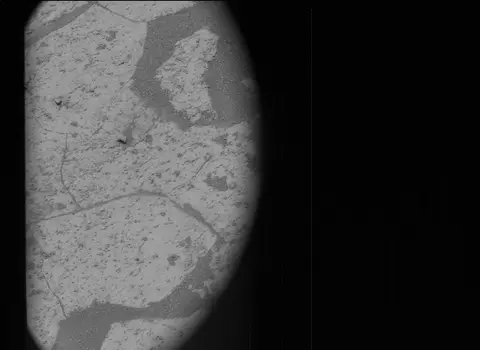 Curiosity · Sol 5,018Mast Camera (Mastcam)MAST_LEFTSep 18, 2026, 02:44 UTCNASA/JPL-Caltech/MSSS
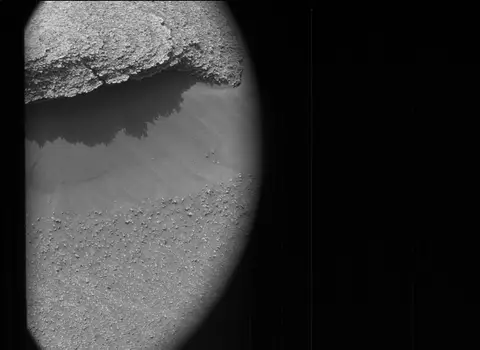 Curiosity · Sol 5,011Mast Camera (Mastcam)MAST_LEFTSep 10, 2026, 23:23 UTCNASA/JPL-Caltech/MSSS
Which camera took it?
The feeds name each camera with a short code. Here’s what the codes mean, and the credit line each camera’s pictures carry.
| Camera | Code in the feed | Credit |
|---|---|---|
| Navigation Camera (Navcam) | NAV_LEFT_B · NAV_RIGHT_B | NASA/JPL-Caltech |
| Front Hazard Avoidance Cameras | FHAZ_* | NASA/JPL-Caltech |
| Rear Hazard Avoidance Cameras | RHAZ_* | NASA/JPL-Caltech |
| Mast Camera (Mastcam) | MAST_LEFT · MAST_RIGHT | NASA/JPL-Caltech/MSSS |
| Mars Hand Lens Imager (MAHLI) | MAHLI | NASA/JPL-Caltech/MSSS |
| Mars Descent Imager (MARDI) | MARDI | NASA/JPL-Caltech/MSSS |
| Chemistry & Camera (ChemCam) | CHEMCAM_RMI | NASA/JPL-Caltech/LANL/CNES/CNRS/IRAP/IAS/LPG |
| Camera | Code in the feed | Credit |
|---|---|---|
| Navigation Camera (Navcam) | NAVCAM_LEFT · NAVCAM_RIGHT | NASA/JPL-Caltech |
| Front Hazard Avoidance Cameras | FRONT_HAZCAM_* | NASA/JPL-Caltech |
| Rear Hazard Avoidance Cameras | REAR_HAZCAM_* | NASA/JPL-Caltech |
| Mastcam-Z | MCZ_LEFT · MCZ_RIGHT | NASA/JPL-Caltech/ASU |
| MEDA SkyCam | SKYCAM | NASA/JPL-Caltech/CAB |
| SuperCam Remote Micro Imager | SUPERCAM_RMI | NASA/JPL-Caltech/LANL/CNES/IRAP |
| PIXL Micro Context Camera | PIXL_MCC | NASA/JPL-Caltech |
| SHERLOC WATSON | SHERLOC_WATSON | NASA/JPL-Caltech |
| SHERLOC Context Imager | SHERLOC_ACI | NASA/JPL-Caltech |
| Sample Caching System Camera (CacheCam) | CACHECAM | NASA/JPL-Caltech |
| Entry, descent and landing cameras | EDL_* · LCAM | NASA/JPL-Caltech |
What “raw” means
NASA posts these pictures soon after they reach Earth, before scientists have checked them. That’s why they’re fresh, and why some look odd.[1] We leave out frames that are almost completely black or show only noise, and repeats of the same view, so each day’s set is worth a look.
- UnprocessedLike a phone photo before you crop it, fix the contrast or adjust the color. Raw color can look different from what your eye would see on Mars.[1]
- CompressedThe files are smaller JPGs and PNGs, so some detail is lost. NASA says they aren’t meant for detailed science.[1]
- Not yet checkedThey are compressed preview versions. The full-quality versions scientists use are published in NASA’s Planetary Data System, generally six months to a year after they reach Earth.[1]
- Free to useNASA’s raw images aren’t copyrighted. Credit the source, and don’t use them to suggest NASA endorses anything.[1][4]
Can I use these pictures?
Yes. NASA’s images are generally not subject to copyright in the United States, and you can use them without asking.[4] Credit NASA as the source: JPL asks for “NASA/JPL-Caltech”, and many cameras add their science team, as in the credits on each picture.[5] Don’t use them to suggest NASA endorses you or your product.[4][5]
Is there a picture of Earth from Mars?
Yes, several. NASA’s Spirit rover took the first one on Mar 8, 2004.[6] Curiosity photographed Earth and our Moon on Jan 31, 2014,[7] and on Jul 2, 2026 Perseverance watched Earth slip behind Phobos, a first from the surface of another planet, NASA says.[8]
Questions
Are these real pictures of Mars?
Yes. Every picture on this page was taken by a rover on Mars and comes from NASA’s public feeds. They’re raw, so the color and contrast haven’t been adjusted yet.
How often are new Mars pictures added?
Once a day. We check NASA’s feeds every morning (UTC) and show the newest pictures from each rover. NASA posts raw pictures soon after they reach Earth.
Why does the color look strange?
Because it hasn’t been corrected. Raw color is what the camera recorded, as it arrived from Mars. NASA’s teams process pictures later, adjusting color and contrast.
Can I use NASA’s Mars pictures?
Yes, with credit. NASA’s raw images aren’t copyrighted. Use the credit shown with each picture, and don’t suggest that NASA endorses you or your product.
Is there a picture of Earth from Mars?
Yes. NASA’s Spirit rover took the first one on Mar 8, 2004. Curiosity photographed Earth and the Moon on Jan 31, 2014, and on Jul 2, 2026 Perseverance watched Earth pass behind Phobos, a moon of Mars.
What does a Phobos eclipse look like?
A lumpy black shadow crossing the Sun. Perseverance filmed one on Apr 2, 2022, and it lasted a little over 40 seconds, NASA says.
Is there video from Mars?
Yes, but not live. Perseverance filmed its own landing on Feb 18, 2021, and NASA released the video along with the first sounds recorded on Mars, taken after landing; the microphone didn’t record usable sound during the descent. Rover pictures reach Earth minutes to days after they’re taken.
What does “sol” mean next to each picture?
The rover’s day on Mars when it took the picture. Curiosity is on sol 5,039 today and Perseverance on sol 2,004.
Sources
- NASA Science — Raw Images FAQPrimary · checked Oct 4, 2026
- NASA — Perseverance raw imagesPrimary · checked Oct 4, 2026
- NASA — Curiosity raw imagesPrimary · checked Oct 4, 2026
- NASA — Guidelines for using NASA images and mediaPrimary · checked Oct 4, 2026
- NASA JPL — JPL Image Use PolicyPrimary · checked Oct 4, 2026
- NASA — 20 Years Ago: First Image of Earth from Mars and Other Postcards of HomePrimary · checked Oct 4, 2026
- NASA Science — Curiosity Mars Rover’s First Image of Earth and Earth’s MoonPrimary · checked Oct 4, 2026
- NASA — NASA’s Perseverance Rover Watches Earth Vanish Behind Martian MoonPrimary · checked Oct 4, 2026
- NASA — NASA’s Perseverance Rover Captures Video of Solar Eclipse on MarsPrimary · checked Oct 4, 2026
- NASA — NASA’s Mars Perseverance Rover Provides Front-Row Seat to Landing, First Audio Recording of Red PlanetPrimary · checked Oct 4, 2026